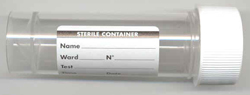
a b c d e f g h i j k l m n o p q r s t u v w x y z #

Items starting with U

Urine Oxalate

Urine Oxalate

From 10/5/2018 refernce ranges will be:

100 - 460 umol/24 hour (adults, correct to 1.73m2for children)

Age related ref ranges for oxalate:creatinine ratio:

0-6 months  <291µmol/mmol

7-23 months  <220µmol/mmol

2-4 years  <143µmol/mmol

5-11 years  <76µmol/mmol

12 -17 years  <44µmol/mmol

18+ female    <45µmol/mmol

18+ male       <33µmol/mmol
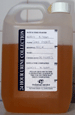
Urine pH

Urine pH

No reference range is reported for urine pH as measurement can be affected several different factors.

General diet and recent food consumption can cause changes to urine pH. Presence of glucose in the urine (glycosuria) can increase the acidity of urine due to metabolism by microorganisms. Urinary tract infection can cause urine to become either more acidic or alkaline, depending on the type of bacteria present.

Urine Protein:Creatinine ratio (Random urine)

Urine Protein:Creatinine ratio (Random urine)

  • <15 mg/mmol Creatinine = Normal
  • 15 – 49 mg/mmol Creatinine = Trace Proteinuria. Consider ACEI or ARB in diabetes.
  • 50 – 99 mg/mmol Creatinine = Significant proteinuria. Repeat using early am sample. Consider ACEI or ARB in hypertension.
  • 100 – 300 mg/mmol Creatinine = High proteinuria. If new finding, seek nephrology advice regardless of eGFR.
  • >300 mg/mmol Creatinine = “Nephrotic range” proteinuria. If new finding, seek nephrology advice regardless of eGFR.
                                      
Proteinuria is a risk factor for cardiovascular disease and for decline in GFR in CKD
UK CKD Guidelines suggest if PCR is >100 mg/mmol patient should be referred to Nephrologists irrespective of GFR.
 

Source of Reference Range: NICE guideline CG73 (2008) and UK eCKD guidelines 2009.)


Urine PYD and DPD (bone marker/bone markers)

Urine PYD and DPD (bone marker/bone markers)

Reference ranges provided by referral laboratory (July 2014).  All ranges expressed as nmol/mmol creatinine.


  Males Females
  PYD/Cre DPD/Cre PYD/Cre DPD/Cre
4-5 yrs 58.7-85.0 17.4-24.3 63.7-85.1 17.2-25.1
5-6 yrs 54.7-83.0 15.9-22.5 55.7-82.9 14.8-22.1
6-7 yrs 53.0-76.7 14.8-22.3 57.6-77.5 13.8-21.2
7-8 yrs 51.6-72.2 14.6-22.1 55.3-75.1 15.2-21.0
8-9 yrs 46.1-63.4 12.0-16.1 49.9-66.9 12.6-18.4
9-10yrs 49.5-67.3 12.3-16.3 58.5-79.4 15.7-22.4
10-11 yrs 45.7-67.4 12.6-18.8 47.3-71.5 13.2-18.9
11-12 yrs 45.5-66.3 12.4-18.6 50.6-88.8 14.9-25.3
12-13 yrs 43.6-56.6 11.7-17.4 46.3-73.6 13.1-22.1
13-14 yrs 42.6-84.5 11.2-23.9 44.1-65.3 11.9-18.2
14-15 yrs 40.7-89.3 10.9-25.6 35.3-52.5 8.7-17.6
15-16 yrs 35.4-84.3 9.8-22.2 26.5-48.8 5.1-14.9
16-17 yrs 28.8-68.3 7.1-18.7 19.6-37.1 3.0-9.4
Adult 5.0-21.8 0.4-6.4 pre-menopause 20-39yrs: 7.8-20.4 1.8-6.4
      pre-menopause >40 yrs: 8.1-21.2 2.1-6.7
      post-menopause: 7.1-31.8 1.5-8.6


Urine PYD and DPD (bone marker/bone markers)

Urine PYD and DPD (bone marker/bone markers)

Reference ranges provided by referral laboratory (July 2014).  All ranges expressed as nmol/mmol creatinine.


  Males Females
  PYD/Cre DPD/Cre PYD/Cre DPD/Cre
4-5 yrs 58.7-85.0 17.4-24.3 63.7-85.1 17.2-25.1
5-6 yrs 54.7-83.0 15.9-22.5 55.7-82.9 14.8-22.1
6-7 yrs 53.0-76.7 14.8-22.3 57.6-77.5 13.8-21.2
7-8 yrs 51.6-72.2 14.6-22.1 55.3-75.1 15.2-21.0
8-9 yrs 46.1-63.4 12.0-16.1 49.9-66.9 12.6-18.4
9-10yrs 49.5-67.3 12.3-16.3 58.5-79.4 15.7-22.4
10-11 yrs 45.7-67.4 12.6-18.8 47.3-71.5 13.2-18.9
11-12 yrs 45.5-66.3 12.4-18.6 50.6-88.8 14.9-25.3
12-13 yrs 43.6-56.6 11.7-17.4 46.3-73.6 13.1-22.1
13-14 yrs 42.6-84.5 11.2-23.9 44.1-65.3 11.9-18.2
14-15 yrs 40.7-89.3 10.9-25.6 35.3-52.5 8.7-17.6
15-16 yrs 35.4-84.3 9.8-22.2 26.5-48.8 5.1-14.9
16-17 yrs 28.8-68.3 7.1-18.7 19.6-37.1 3.0-9.4
Adult 5.0-21.8 0.4-6.4 pre-menopause 20-39yrs: 7.8-20.4 1.8-6.4
      pre-menopause >40 yrs: 8.1-21.2 2.1-6.7
      post-menopause: 7.1-31.8 1.5-8.6


Urine Uric Acid (Urate)

Urine Uric Acid (Urate)

1.5-4.5 mmol/24 hours

Source : Pathology Harmony Recommendations

<<  1 [2]